Oriental Medicine
Here are some brief descriptions about Oriental medical terms and methods. These are meant to be a quick introduction to the concepts only. The reader is encouraged to pursue further readings.

Traditional Chinese Medicine (TCM) & Oriental Medicine (OM)
TCM is a holistic healthcare system with over 2,000 years of history. It has continually evolved to meet various medical needs in different times and places. It combines acupuncture, herbs, massage, and lifestyle changes to bring balance and health. Its philosophical concepts are based on the principle that diseases should be regarded in the context of both the physical and emotional sides of patients and their interaction with their environment.In a healthy person, there are sufficient amounts of qi (loosely translated as energy or bioelectricity) and blood, and their flow in the body is smooth and unobstructed. When an imbalance is introduced in the body, whether for external or internal reasons, the qi and blood may become deficient or stagnant, and cause a wide range of illnesses.
To help the patient, a western medical doctor would identify the agent (bacteria, virus, etc.) or tissues involved in the disease and treat them with drugs, surgery or other means. A TCM practitioner would identify the parts of the body which were too weak or in disharmony that led to the illness, and strengthen and balance the area in relation to the rest of the body while treating the current symptoms. In other words, the primary focus of TCM is to harmonize and restore the body so that it can help itself against sickness.
Over the years, TCM has spread to other Asian countries where it was further developed, reflecting each country's unique culture and history. You will often see "Chinese-style," "Japanese-style," "Korean-style" or some other uniquely specified acupuncture and herbal styles. Nevertheless, they all share the TCM root. The term Oriental Medicine includes all styles and unless you are focusing on the differences, TCM and OM can be used interchangeably in most circumstances.
Acupuncture
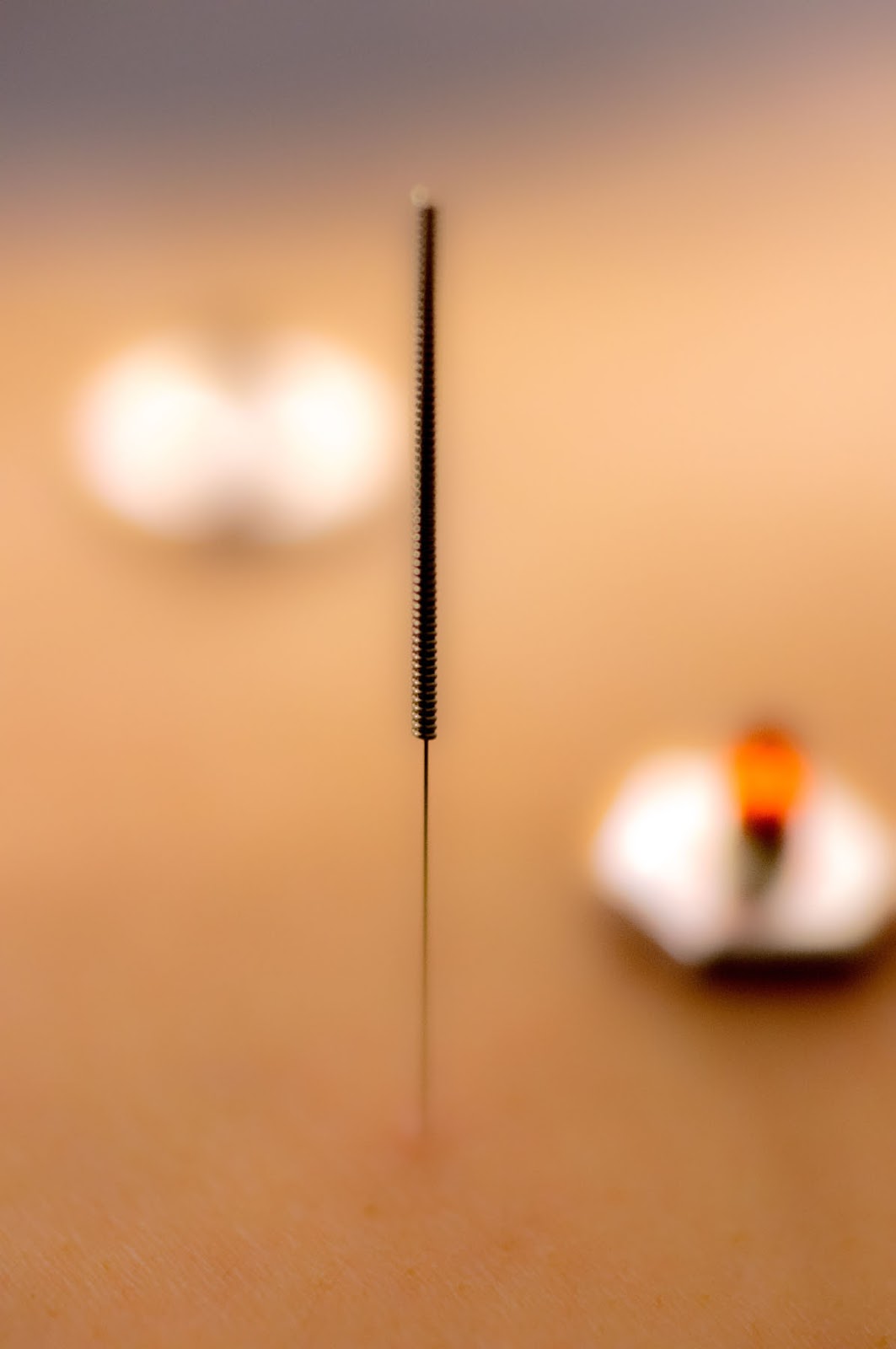
Acupuncture is one of the most widely practiced forms of alternative therapy. Thin needles stimulate certain points located on the surface of the skin. While mostly painless, this treatment can bring profound physiological changes that promote better health and balance in life.Increasingly widespread in the West during the past 40 years, acupuncture has been scrutinized by the scientific and medical communities. Several studies have shown effectiveness of acupuncture under various conditions. Please refer to the FAQ for more information.